How we roast the Ethiopia Guji
Why this lot gets a slower ramp than anything else on the bar.
- roasting
The Guji arrives dense and high-grown, so it takes heat differently from the washed lots either side of it on the shelf. We drop the charge temperature by twelve degrees and stretch development, which keeps the acidity intact instead of flattening it into caramel.
Why altitude changes the curve
Beans grown above 2,000 metres are denser, and density is really a proxy for how slowly heat gets to the middle of the seed. Charge too hot and the outside runs ahead of the inside; you get roast flavour on top of an underdeveloped centre.
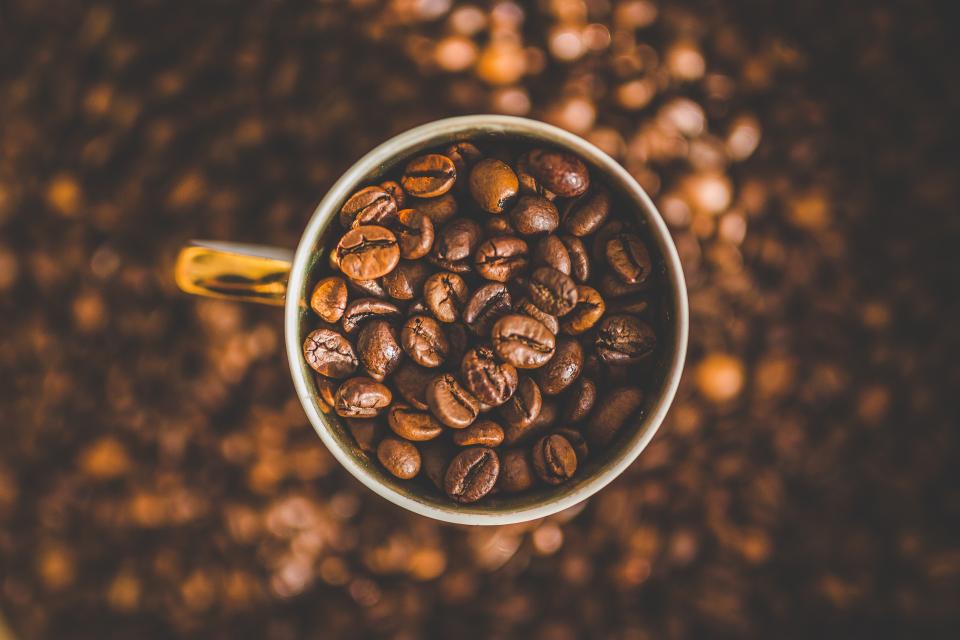
The numbers we settled on, after eleven roasts:
- Charge at 196°C, twelve degrees under the house profile
- First crack at 9:20, give or take fifteen seconds
- Development 22%, drop at 204°C
Two of those numbers move with the season. We re-cup every lot at the six week mark and adjust the drop, because green coffee keeps changing long after it lands.
Reading it back on the cupping table
The check is the cup, not the curve. If the spring lots taught us anything it is that a profile that looks right on the roast log can still land thin on the table.
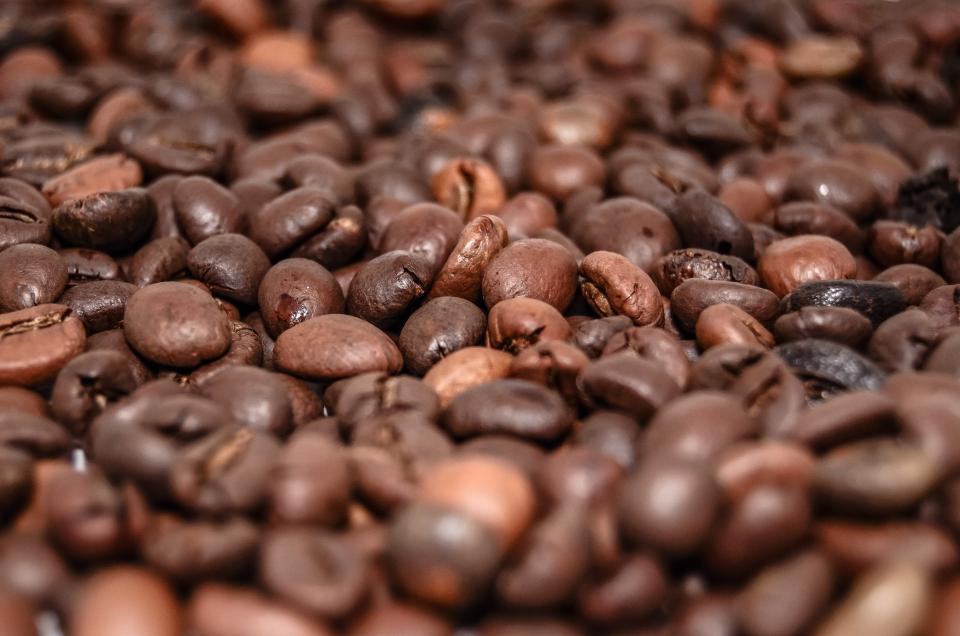
Three passes on the wet mill is where this starts, and it is the reason the cup tastes like stone fruit instead of toast.